


Background
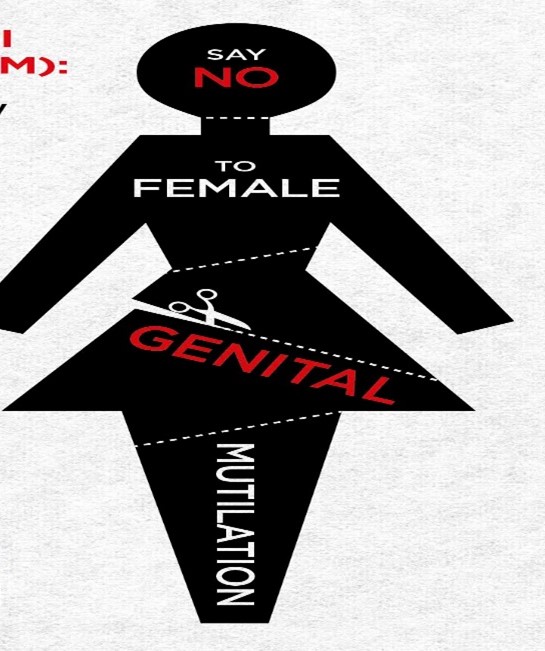
FGM is a harmful practice and is unacceptable from a human rights as well as a public health perspective, regardless of who performs it. There are a number of reasons for the continuation of FGM/C practice in SSC Khatumo. The manifestation of FGM/C is extremely high in SSC Khatumo. which reported that 80 percent of women aged 18-45 were circumcised. The supplementary information indicated that 57 percent of ever married women aged 18-45 years have confidence in FGM/C should be nonstop. Circumcisers, traditional leaders and some of the religious leaders are inflexible that the FGM/C practice is a religious obligation, particularly the Sunni type.
There is a strong believe that girls should be virgin before marriage. When a girl undergoes FGM/C, it is a celebration event, where the family affords offer sweets and snacks to neighbors; such as an important event marking a new chapter for the girl’s history.
Participants, including women, men, circumcisers, health professionals, traditional leaders, religious leaders, MPs and government officials who shared their opinions for the continuation of FGM/C. One of the main reasons is the cultural perception that parents wish to preserve girls’ virginity. three in four women in SSC khatumo support the tradition’s continuation.
The Role of Women in Society
Women often lack an awareness of their rights (due to educational disadvantages and poor literacy), and there are social and economic barriers to accessing legal services, as well as social norms. Although Somali Canadian Federation $ Development, have attempted to protect women’s and girls’ rights, including addressing harmful customs and ensuring the right to own and inherit land and property, in reality women remain unprotected by laws yet. Largely as a result of the ongoing conflicts, displacement and living in camps. Domestic violence and forced marriage against women and girls are also common. Physical violence and sexual harassment are widespread problems for women in SSC khatumo regions.
Women’s Health
Women’s access to adequate healthcare in SSC khatumo is severely limited due to ongoing conflict in the region. More than half of primary care facilities are no longer functional. shortage of qualified health workers and poor supply chains and drug availability, severely limit the delivery of a sustainable health services. alongside shortages of skilled birth attendants, means both child mortality and maternal mortality rates are among the highest in the region.
Health Risks
- Severe pain
- Excessive bleeding
- Shock.
- Genital tissue swelling
- Infections.
- HIV
- Urination problems
- Death
- Mental health problems
Note:
Elderly people in Las Anod believe that female circumcision is taboo subject to talk about, by any means.
Sexual health problems. FGM damages anatomic structures that are directly involved in female sexual function, and can therefore also have an effect on women’s sexual health and well-being. Removal of, or damage to, highly sensitive genital tissue, especially the clitoris, may affect sexual sensitivity and lead to sexual problems, such as decreased sexual desire and pleasure, pain during sex, difficulty during penetration, during childbirth, and reduced frequency or absence of orgasm Scar formation, pain and traumatic memories associated with the procedure can also lead to such problems.
Prevalence of FGM
women in SSC Khatumo had been affected by gender-based violence in the two years since conflict broke out, as well as victims of sexual and physical violence, victims of FGM and child marriage were included in this estimate.
Key findings
- Reasons for the practice of FGM mainly revolve around health issues or tradition. Women also mentioned that FGM was necessary for marriage
- Some religious leaders interviewed in the camps and villages stated that FGM is not a Muslim tradition or directed by the Koran.
- Some respondents, stated that FGM is becoming a hidden practice within communities, carried out in secret.
END FGM
Somali Canadian Federation & development, runs small program to address harmful practices, including child forced marriage and FGM in SSC Khatumo Districts. Women umbrellas have urged national and regional governments to bring perpetrators to justice and communities to abandon harmful practices. However, as many of those reportedly still practicing FGM are IDPs, returnees and hosting communities
Focusing on education
Abdirisak Mohamud Ali (Ilkacase) Head office in las Anod and education expiate have faith in that, established education programs to facilitate discussion about FGM and increase awareness about risks can relief, in regions where the practice is highly prevalent, seven out of ten girls and women say they believe the practice should be stopped. Education levels play an important role in the fight to end up FGM. Girls who have completed elementary school are 30 percent more likely to reject FGM than those who have not. Ilkacase says that, school is where children get health care, immunization and their one nutritious meal of the day. Girls who are not in school are often forced into early marriage.
Somali Canadian Federation & development, Consultant Prof: Suldan Mohamed Suldan Ali , addressing to kalabaydh residents about the harmful practise of FGM and earlier marriages, in community building.

Roodo IDPs in


Mohamud Mohamed Ibrahim (Gelle)
Somali Canadain Federation $ Development
Pgramme Manager


